Personal, considered, yours
Pet Portrait Prints
Create a personalised pet portrait from your own photo. Choose a style, add your wording and order an A4, A3 or A2 print with optional framing.
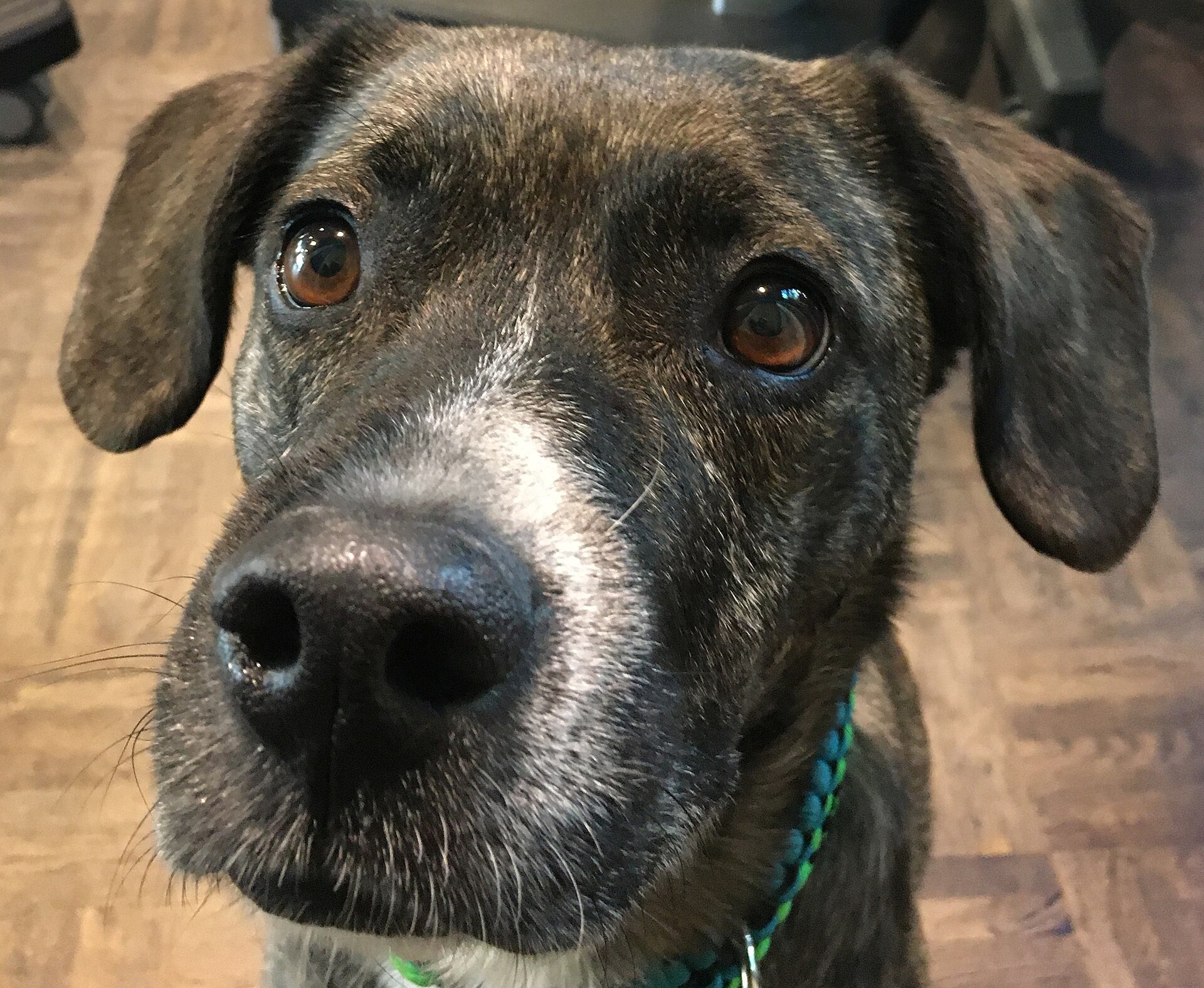

The short answer: what a pet portrait print is
A personalised pet portrait is made from a photo you upload of your dog, cat or other pet. The photo is transformed into an artistic style such as watercolour, oil painting or pop art, then you personalise the print yourself before ordering. The result is a custom portrait print based on a pet photo you already have. Create a Pet Portrait print.
What you can personalise
You upload your pet’s photo, choose an available artistic style and add your own personalisation before ordering. The wording could be your pet’s name, a date, a short message or another detail you want included. Choose the size and whether you want a black or white frame.
If you would rather keep the original photograph unchanged, a personalised photo print may suit you better. For help choosing between a printed image and a designed gift, read personalised print or photo gift.
Choosing the photo
The portrait can only work with what the photograph shows, so choose the clearest image rather than simply your favourite memory. The animal’s face should be clearly visible and reasonably large in the frame, with the eyes open and in focus.
- Use a photo taken near the animal’s eye level.
- Choose an image with good, even light on the face.
- Look for a straightforward pose where the pet is not hidden by furniture, grass or another animal.
- Avoid photos taken from above, of a pet curled asleep or from across a garden. These give the style very little to work with.
A low-resolution phone photo is the usual limiting factor. A picture forwarded through a messaging app or saved from social media has already been compressed, and enlarging it does not restore detail. Use the original file from your camera roll where possible. If the only usable photo is small, choose a smaller print size rather than enlarging it unnecessarily.
Photographing a pet properly, if you still can
Get down to the animal’s eye level instead of taking the photo from standing height. Use daylight, ideally near a window or outdoors on an overcast day. Avoid flash: it can flatten the appearance of fur and turn eyes strange colours.
Get your pet’s attention just before you shoot, rather than trying to hold their interest for a long session. Take many photographs, keep the process brisk and choose the one with the clearest face afterwards.
Which style suits which pet
Style is not only a matter of taste. It affects which parts of the photo stand out, so match the treatment to the animal and the source image.
- Watercolour and other softer painterly treatments: these tend to suit long or fluffy coats and gentle-faced animals. They trade some fine detail for atmosphere, which can work well when the coat is part of the pet’s character.
- Oil painting and other heavier painted styles: these tend to hold up better on animals with strong facial structure or distinct markings, where the shape of the face and pattern of the coat are important.
- Pop art and other bold graphic treatments: these tend to suit a strong, simple pose with a clear outline. They can cope better with a photo that is not perfect because they are not trying to look realistic in the same way.
These are useful starting points, not guarantees. If the photograph has soft lighting and a fluffy coat, a softer style may be a natural fit. If it shows clear markings or a defined outline, a heavier or more graphic treatment may make those features easier to read.
Dark-coated and hard-to-photograph pets
Black dogs and black cats are among the hardest subjects to photograph because the camera can lose the detail between the eyes and the coat. With a dark-coated pet, the source photo matters more than usual.
Choose soft, even daylight rather than direct sun, and use a background that is not also dark. A higher-contrast style will usually serve a dark-coated animal better than the softest treatment, particularly when the photo already shows a clear outline. If the face disappears into shadow, no style can add back the detail that is missing from the image.
Portraits of a pet you have lost
You may have only one usable photograph and no ability to take another. Choose the image with the clearest view of the face rather than the one with the strongest memory attached. If the file is old or small, consider choosing a smaller print size. The same upload and personalisation process applies to a memorial portrait as to any other personalised gift.
Sizes and framing
Pet Portrait prints are available in A4, A3 and A2. You can choose a framed option in black or white, or select the option that suits how you plan to display it. For help weighing up the two choices, see framed or unframed.
How to order yours
- Choose the Pet Portrait design.
- Upload the photo of your pet.
- Choose the artistic style.
- Personalise the print with your wording.
- Choose A4, A3 or A2, and select black or white framing if wanted.
- Check the details and order. The print is made to order.
If you decide a portrait is not the right treatment for the image, you can browse the wider range of photo gifts instead.
Frequently asked questions
How do I get a pet portrait made from a photo?
Choose the Pet Portrait print, upload your pet’s photo, select a style, add your personalisation and choose the size and framing before ordering.
What photo should I use for a pet portrait?
Use the original photo with the clearest, largest view of your pet’s face. The eyes should be open and in focus, with good light on the face. Avoid distant, overhead or heavily compressed images.
Will it work for a black dog or a black cat?
It can be used with a black dog or cat, but the source photo is especially important. Choose soft, even daylight, avoid a dark background and consider a higher-contrast style if the face and coat are clearly defined.
What size should a pet portrait be?
Choose from A4, A3 and A2. If your only usable photo is old or small, a smaller size is the more cautious choice. You can also choose black or white framing.
Photo Gifts
Personalise it yourself — printed to order.
Pet Portrait (AI Style Transfer)
Portrait Canvas Print
Portrait Poster
Portrait Framed Print
Custom Photo Print
"Your House As Art" Print
Photo Print Digital Download
AI Pet in Costume
Ready to Create Yours?
Design your personalised map print in minutes using our interactive editor.
Personalise YoursYou Might Also Like
Personalised Gifts for Couples
Choose a personalised map gift for a couple by matching the design to where they met, live, got engaged or shared their story.
Personalised Gifts for Him
Choose a meaningful personalised gift for him by putting a place, route or shared memory on a made-to-order map print.
Personalised Gifts for Her
Choose a personalised map gift for her based on a real place in her life, from a hometown and university city to the place you met.
Personalised Gifts for Friends
Choose a personalised map gift for a friend that feels thoughtful, specific and easy to display, including ideas for moving away and group presents.